
Introduction
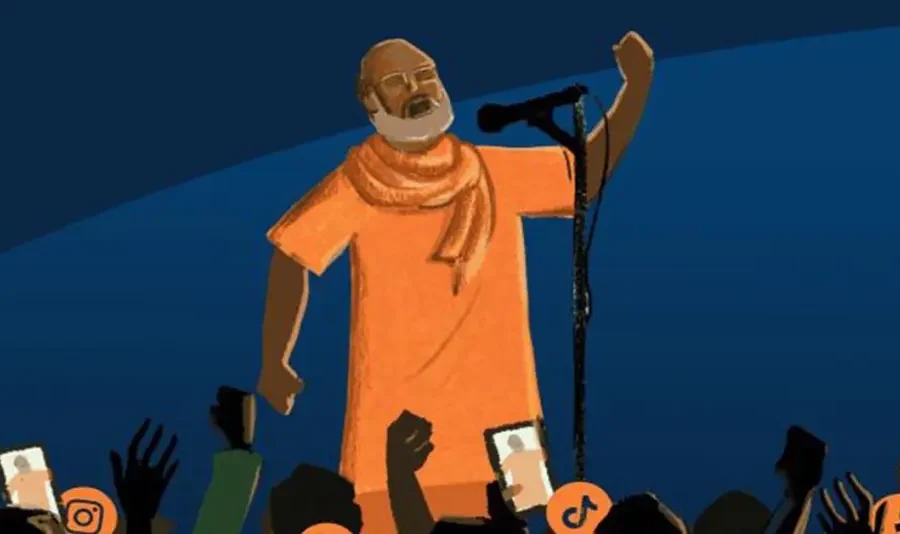
Hate speech has emerged as one of the most pressing legal and social issues in contemporary India. The rise of digital communication, instant messaging platforms, and social media has given every individual the power to publish and circulate opinions instantly. While this has strengthened democratic participation, it has also amplified harmful and divisive speech. Hate speech today can spread across millions of people within minutes, influencing opinions, encouraging hostility, and even triggering violence. The Indian legal system now faces the complex challenge of safeguarding freedom of expression while preventing speech that threatens peace, dignity, and social harmony.
Understanding Hate Speech: A Complex Concept
Unlike many countries, India does not have a single statutory definition of hate speech. Instead, the understanding of what constitutes hate speech has evolved through judicial interpretation, academic discussions, and the practical experience of law-enforcement agencies. In general terms, hate speech refers to any form of expression—spoken, written, symbolic, or digital—that targets individuals or communities based on their identity and intends to incite hatred, discrimination, or violence.
The absence of a strict definition often makes it difficult to differentiate between legitimate criticism, political dissent, and unlawful hate speech. In a diverse country like India, where religious, linguistic, caste-based, and ethnic identities play a significant role, determining when speech crosses the line becomes even more challenging.
Constitutional Framework: Balancing Freedom and Responsibility
The Indian Constitution guarantees freedom of speech and expression under Article 19(1)(a). This right forms the foundation of a democratic society, enabling citizens to express ideas, debate policies, and participate in public life. However, the Constitution also acknowledges that absolute freedom is neither possible nor desirable. Article 19(2) allows the state to impose reasonable restrictions on speech in the interest of public order, decency, morality, national security, and the prevention of incitement to offences.
Hate speech often falls within these restrictions. But the question of what amounts to “reasonable” restriction has caused significant debates. Courts have repeatedly emphasized that criticism, dissent, or even harsh political expression cannot be suppressed simply because they offend certain groups. At the same time, speech that directly threatens the safety, dignity, or existence of communities cannot be protected in the name of free expression.
Legal Provisions Regulating Hate Speech
India addresses hate speech through multiple penal provisions rather than one consolidated law. Several sections of the Indian Penal Code penalize acts that promote enmity, disturb public order, or insult religious beliefs. For example, Section 153A punishes acts that promote enmity between different groups based on religion, caste, language, or similar grounds. Section 295A deals with deliberate acts intended to outrage religious feelings. Additionally, provisions relating to criminal intimidation, defamation, and promoting disharmony also come into operation when speech crosses the legal threshold.
In the digital sphere, the Information Technology Act plays a significant role, especially in cases involving online abuse, publication of harmful content, and the dissemination of misinformation. Intermediaries like social media platforms are legally obligated to remove unlawful content once notified by authorities. However, enforcement remains inconsistent due to the sheer volume of digital content and the speed at which it spreads.
Judicial Approach to Hate Speech
Indian courts have delivered several landmark judgments that clarify the contours of hate speech. The Supreme Court has repeatedly recognized that hate speech can disrupt social cohesion and undermine constitutional values. In various rulings, the Court has held that speech which encourages violence or creates deep divisions in society cannot be protected.
At the same time, the judiciary has expressed caution against excessive restrictions. The Court has often emphasized that laws regulating hate speech should not be interpreted too broadly, as doing so may suppress legitimate political criticism, satire, or artistic freedom. The challenge lies in identifying the intention and impact of the speech. Courts often examine whether the speech was likely to provoke imminent violence, whether it targeted a vulnerable group, and whether it was made in a sensitive context such as during elections or communal tension.
Social Media and the New Age of Hate
One of the biggest drivers of contemporary hate speech is the digital revolution. Social media platforms such as Facebook, Instagram, YouTube, and X allow individuals to share thoughts instantly with a global audience. Algorithms often promote sensational or emotionally charged content, inadvertently amplifying provocative messages. Anonymous accounts and lack of accountability make it easier for individuals to spread toxic speech without consequences.
Digital hate speech has unique characteristics. It spreads quickly, is difficult to trace back to the original creator, and can be shared repeatedly even after deletion. Viral misinformation, edited videos, communal rumors, and coordinated trolling campaigns have all contributed to a rise in online hostility. This has forced the government, courts, and tech companies to rethink regulatory approaches.
Election Campaigns and Hate Speech
During elections, hate speech often becomes a tool for political mobilization. Politicians and party workers sometimes resort to inflammatory speeches to gain support from specific communities. The Election Commission of India has guidelines prohibiting the use of caste, religion, or language for electoral gains, but enforcement varies.
The Model Code of Conduct prohibits speeches that promote hatred or aggravate existing divisions. However, political leaders frequently test the limits of what is permissible, knowing that legal consequences may take years to materialize. Hate speech during elections has long-term consequences because it legitimizes prejudice and normalizes divisive rhetoric.
Impact on Society
Hate speech has a corrosive effect on democratic values. It marginalizes vulnerable communities, instills fear, weakens social trust, and creates a sense of exclusion. For individuals belonging to targeted groups, repeated exposure to hateful expression can cause deep psychological harm. At a societal level, it contributes to polarization, encourages mob violence, and undermines peaceful coexistence.
In India, where communal harmony is essential for maintaining social order, unchecked hate speech can easily escalate into physical violence. History shows that a single provocative statement can trigger riots. Therefore, addressing hate speech is not merely a legal issue but a matter of maintaining national unity.
Challenges in Regulating Hate Speech
Regulating hate speech is a delicate task. Over-regulation may stifle free expression, while under-regulation may allow dangerous ideas to spread. Some major challenges include the lack of a clear definition, selective enforcement, delays in investigation, and the difficulty of identifying intent. The vastness of online content also makes enforcement extremely difficult. Many people are unaware that forwarding or sharing inflammatory content can attract criminal liability.
Another challenge lies in balancing state power. Excessive state control over speech can lead to censorship, misuse of power, and suppression of dissenting voices. Thus, any legal framework must ensure accountability without compromising democratic freedoms.
The Way Forward
India needs a multi-layered approach to address hate speech effectively. Legal reforms, clarity in definitions, faster trial mechanisms, and stronger accountability for digital platforms are essential. Educational campaigns promoting media literacy and inter-community harmony can reduce susceptibility to hateful narratives. Technology companies must invest more in moderation and transparency. Most importantly, public dialogue must shift from polarisation to peaceful debate.
Conclusion
Hate speech in India represents a complex intersection of law, politics, technology, and social relations. While legal provisions exist, their effectiveness depends on balanced enforcement, judicial interpretation, and responsible public participation. To preserve democratic values and social harmony, India must strive to create a space where free expression thrives without enabling hatred or violence.
Contributed by: Lalit (Intern)