
Introduction
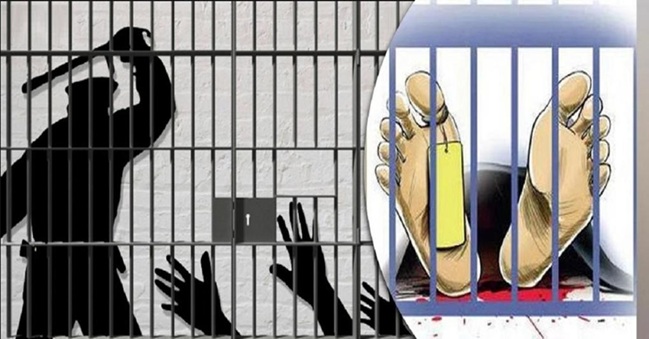
Custodial violence remains one of the most troubling and persistent human rights concerns in India. Despite constitutional guarantees, Supreme Court guidelines, and various legal safeguards, incidents of torture, illegal detention, and even custodial deaths continue to appear in media reports and official statistics. The National Human Rights Commission (NHRC) records hundreds of such cases each year, revealing a grim reality: custodial violence is not an isolated problem but a systemic challenge deeply rooted in policing culture, lack of accountability, and weak enforcement mechanisms. This article explores the legal framework, major causes, judicial responses, and the urgent reforms needed to eliminate custodial violence from India’s law enforcement system.
Understanding Custodial Violence
Custodial violence refers to any physical or mental harm inflicted on a person while they are in police or judicial custody. This includes not only extreme acts like torture or custodial death but also a range of abuses such as intimidation, threats, denial of basic rights, humiliation, and physical assault. Although policing in India is expected to follow due process, many individuals—especially those from marginalized communities—continue to face harsh treatment at the hands of law-enforcement officials.
Custodial violence persists in both police custody (where investigation and interrogation occur) and judicial custody (where the person is sent to jail after being produced before a court). However, most severe incidents occur in police custody, often within the first 24 to 48 hours of detention, when interrogation is most intense.
Constitutional Protections Against Custodial Abuse
The Indian Constitution provides strong protection against unlawful detention and violence. Article 21 guarantees the right to life and personal liberty, which includes the right to be treated with dignity. Article 20 prohibits forced confessions, while Article 22 ensures safeguards during arrest, such as being informed of the grounds of arrest and the right to consult a lawyer.
Over time, the Supreme Court has expanded these protections through landmark judgments. In DK Basu v. State of West Bengal (1997), the Court laid down detailed guidelines on arrest procedures, mandatory arrest memos, medical examinations, and informing friends or relatives of the detainee. In Nilabati Behera v. State of Orissa (1993), the Court held that compensation must be awarded in cases of custodial deaths.
Criminal Law Framework and Its Limitations
The Indian Penal Code (IPC) contains provisions that indirectly address custodial violence, including sections on causing hurt, grievous hurt, wrongful confinement, and criminal intimidation. However, the IPC does not have a specific provision criminalizing torture by police officers. This creates difficulties in prosecuting officers because torture often leaves no visible injuries, and detainees rarely have access to medical examination, legal aid, or timely complaint mechanisms.
The Code of Criminal Procedure (CrPC) mandates that an arrested person be produced before a magistrate within 24 hours, but delays and non-compliance are common. Moreover, magistrates often fail to inquire into allegations of torture, undermining judicial oversight.
India signed the UN Convention Against Torture (UNCAT) but has not yet passed a dedicated anti-torture law. A draft bill proposed in 2010 failed to become law, leaving India without a specific statute addressing custodial torture.
Why Custodial Violence Persists
Custodial violence in India is not merely the result of individual misconduct; it is the product of structural and institutional issues.
One major cause is the investigative culture within the police force. In many cases, police departments operate under pressure to solve cases quickly, leading to outdated practices that rely heavily on confession-based investigation rather than scientific methods. Limited forensic facilities, understaffing, and lack of training make torture an easier—though unlawful—method for extracting information.
The issue is compounded by institutional protection. Police officers accused of torture often enjoy political patronage, departmental support, or procedural loopholes that delay prosecution. Departmental inquiries move slowly, FIRs are not registered promptly, and sanctions for prosecution under Section 197 CrPC become a significant barrier.
Another major issue is public tolerance of custodial violence. A section of society believes that harsh treatment of suspects is necessary for effective policing, reinforcing an environment in which violence becomes normalized. This social acceptance undermines legal reforms and makes it harder to demand accountability.
Judicial Responses and Safeguards
The judiciary has played an important role in acknowledging and addressing custodial violence. Courts have repeatedly emphasized that the use of third-degree methods is unconstitutional and unacceptable in a democratic society.
In Prakash Singh v. Union of India (2006), the Supreme Court issued mandatory directives for police reforms, including separating investigation from law-and-order functions and establishing Police Complaints Authorities. However, implementation remains uneven across states.
The Supreme Court’s judgment in Paramvir Singh Saini v. Baljit Singh (2020) ordered installation of CCTV cameras with audio recording in all police stations and interrogation rooms. This was intended to create transparency, but compliance continues to vary significantly.
Courts also frequently order compensation in cases of custodial violence, recognizing the principle of state liability. Yet, compensation alone cannot replace criminal accountability or deter future misconduct.
Role of Human Rights Institutions
The National Human Rights Commission (NHRC) and State Human Rights Commissions (SHRCs) receive and investigate complaints of custodial violence. NHRC guidelines mandate immediate reporting of custodial deaths and post-mortem examinations with videography. However, these institutions often face staffing shortages, limited powers, and delays, reducing their effectiveness.
Non-governmental organizations, media, and civil society have also played crucial roles in highlighting cases, pressuring authorities to act, and supporting victims. Without public vigilance, many cases would never reach investigation.
Systemic Reforms Needed
Eliminating custodial violence requires a comprehensive overhaul of policing practices, legal procedures, and accountability mechanisms. Reform must begin with the enactment of a dedicated law criminalizing torture and establishing clear definitions, burdens of proof, and penalties. This would bring India in line with international standards and strengthen the legal foundation for prosecuting offenders.
Police training needs modernization. Emphasis must shift from confession-based investigation to scientific techniques such as forensic analysis, digital tools, and psychological interrogation. Better infrastructure, modern equipment, and training in human rights can help reduce reliance on violence.
Independent oversight is also critical. Police Complaint Authorities must be empowered, functional, and free from political influence. Magistrates must actively inquire into allegations of torture, ensure medical examinations, and demand accountability.
Judicial and administrative delays must be addressed through fast-track mechanisms for custodial violence cases. Protection for whistleblowers and victims is essential because fear of reprisal prevents many from reporting abuse.
Finally, public awareness needs transformation. Society must reject the idea that “tough policing” requires violent methods. When citizens demand lawful, humane policing, institutions will be forced to adapt.
Conclusion
Custodial violence undermines the rule of law, violates constitutional rights, and damages public trust in the justice system. While India has strong constitutional protections and active judicial oversight, the persistence of custodial torture reveals deep structural flaws. A combination of legislative reform, institutional accountability, modern investigative practices, and societal change is essential to eradicate this problem. The fight against custodial violence is not only a legal obligation but also a moral imperative to uphold the dignity and rights of every individual in a democratic society.
Contributed by: Lalit (Intern)