
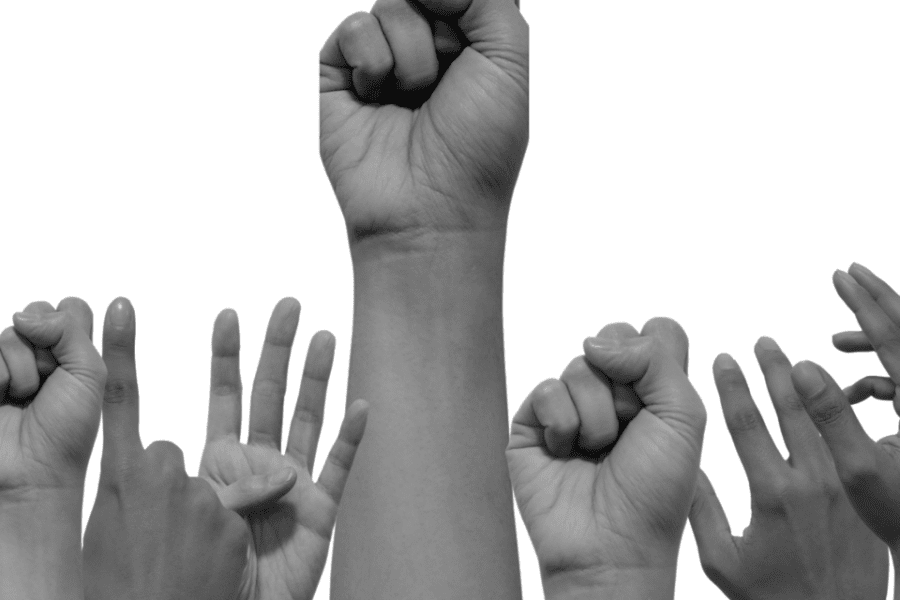
A constitution is the supreme law of a country, and one of its most important roles is the protection of human rights. Human rights are the basic rights and freedoms that belong to every individual simply because they are human. These rights include equality, freedom, dignity, and justice. The Constitution, especially the Indian Constitution, provides a strong legal and moral framework to safeguard these rights and ensure that the state respects, protects, and fulfills them.
The Indian Constitution is widely regarded as one of the most progressive constitutions in the world when it comes to human rights. At the heart of this protection lies the Fundamental Rights, enshrined in Part III (Articles 12 to 35). These rights are justiciable, meaning that if they are violated, citizens can approach the courts for enforcement. This makes human rights protection not just theoretical but practical and effective.
One of the most important human rights protected by the Constitution is the Right to Equality (Articles 14–18). This right ensures that all citizens are equal before the law and are entitled to equal protection of the laws. It prohibits discrimination on grounds of religion, race, caste, sex, or place of birth. By abolishing untouchability and titles, the Constitution seeks to create a society based on equality and dignity, especially protecting historically marginalized groups.
The Right to Freedom (Articles 19–22) guarantees essential freedoms such as freedom of speech and expression, freedom of assembly, freedom of movement, freedom of profession, and personal liberty. These freedoms are crucial for the development of an individual’s personality and for the functioning of a democratic society. Article 21, which guarantees the Right to Life and Personal Liberty, has been interpreted broadly by the judiciary to include the right to live with dignity, the right to education, the right to privacy, and the right to a clean environment. This dynamic interpretation shows how the Constitution evolves to protect human rights in changing times.
Another significant safeguard is the Right against Exploitation (Articles 23–24). This right prohibits human trafficking, forced labor, and child labor in hazardous industries. By addressing exploitation, the Constitution protects the most vulnerable sections of society from abuse and inhuman treatment.
The Right to Freedom of Religion (Articles 25–28) ensures that every individual has the freedom to practice, profess, and propagate any religion of their choice. This reflects India’s secular character and promotes tolerance, harmony, and mutual respect among different religious communities.
The Cultural and Educational Rights (Articles 29–30) protect the rights of minorities to preserve their language, culture, and heritage. These provisions ensure diversity and prevent the dominance of any single culture, thereby strengthening human rights related to identity and expression.
fundamental rights,In addition to Fundamental Rights, the Directive Principles of State Policy (Part IV), though not enforceable by courts, play a vital role in promoting social and economic justice. They guide the state to work towards reducing inequality, providing adequate livelihood, ensuring equal pay for equal work, and improving public health and education. Together with Fundamental Rights, they create a comprehensive human rights framework.
The independent judiciary acts as the guardian of the Constitution. Through judicial review, Public Interest Litigation (PIL), and landmark judgments, courts actively protect human rights and hold the state accountable. Institutions like the National Human Rights Commission (NHRC) further strengthen this protection.
In conclusion, the Constitution protects human rights by clearly defining them, guaranteeing their enforcement, and creating institutions to safeguard them. It balances individual freedom with social justice and adapts to changing societal needs through judicial interpretation. By upholding dignity, equality, and liberty, the Constitution serves as a powerful shield for human rights and remains the cornerstone of a just and democratic society.
contributed by : Riya